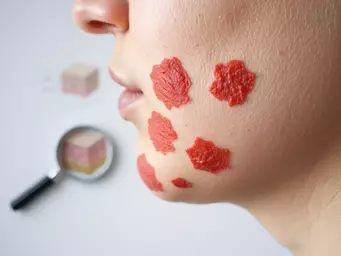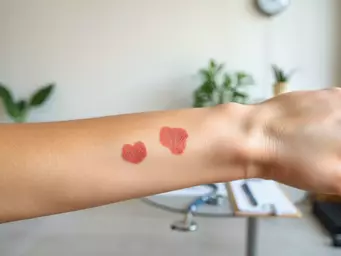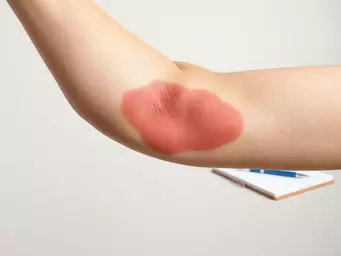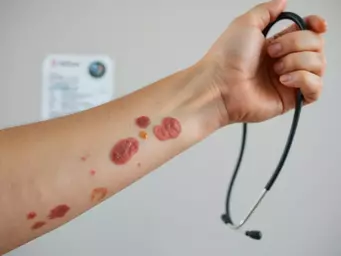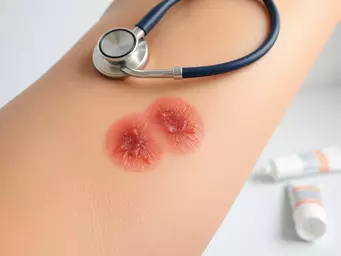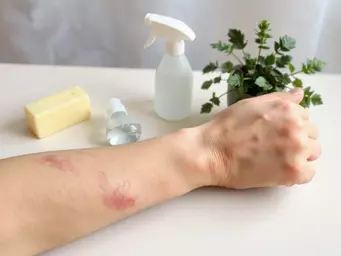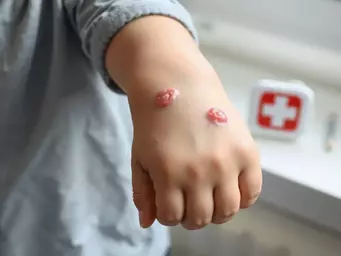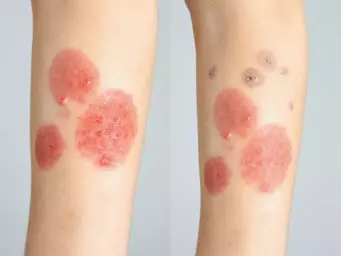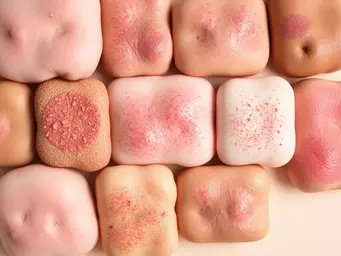
Allergic Contact Dermatitis
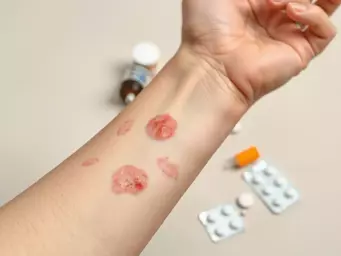
- Cause: Immune system reaction to specific allergens.
- Mechanism: Immune response, often delayed.
- Triggers: Nickel, house dust mites, food allergens, poison ivy.
- Symptoms: Redness, itching, swelling, blisters.
Understanding the nuances of skin reactions can be a game changer for your skin health. As you navigate daily skincare routines, recognizing the difference between allergic and irritant rashes is essential for effective treatment and prevention.
Understanding the fundamental differences between allergic and irritant contact dermatitis is key to effective skin health management. The comparison below highlights their distinct causes, mechanisms, and common triggers.
When it comes to skin health, understanding the differences between various types of rashes is essential. Allergic contact dermatitis occurs when your skin reacts to a substance that your immune system mistakenly identifies as harmful. This can happen after direct contact with allergens. On the other hand, irritant contact dermatitis arises from exposure to substances that damage the skin's surface, like harsh chemicals or rough fabrics. Both types of dermatitis can lead to uncomfortable symptoms, but the underlying causes and mechanisms are quite distinct. The American Academy of Allergy, Asthma & Immunology provides a comprehensive overview of contact dermatitis, which details these differences.
As someone who’s passionate about skin health, I find that recognizing these differences can empower individuals to take better care of their skin. Understanding whether you’re dealing with an allergic or irritant rash can guide you toward the most effective treatments.
Allergic contact dermatitis is triggered by allergens, which provoke an immune response. This response can manifest as redness, itching, and swelling. In contrast, irritant contact dermatitis is not mediated by the immune system but is a direct result of skin exposure to irritating materials. Symptoms can appear immediately or after repeated exposures.
Identifying whether your rash is allergic or irritant in nature can significantly influence your approach to treatment and prevention. If you notice a rash after using a new product or exposure to an environmental factor, it’s worth considering which type it might be.
When allergens penetrate the skin, they can trigger a complex immune response involving pruritogens, which are substances that cause itching. This can lead to the classic symptoms of an allergic rash, including swelling and redness. In irritant reactions, the skin may become inflamed and damaged due to direct contact, but the immune system does not play the same role. The American College of Allergy, Asthma & Immunology (ACAAI) offers new guidelines for treating various dermatological conditions, including those related to immune responses.
In both cases, understanding how these reactions work can help you identify the source of your rash more effectively. If you suspect an allergic reaction, tracking your exposures through a journal can be an excellent way to pinpoint triggers.
Knowing the common triggers for allergic reactions and irritant reactions can help you avoid them in daily life. Here are some common allergens that you might encounter:
Understanding these common allergens can help you avoid situations that might trigger a rash, enabling you to maintain healthier skin.
In addition to allergens, many irritating substances can cause skin reactions. Here are some environmental and chemical irritants to watch out for:
By being proactive and minimizing exposure to these irritants, you can significantly reduce the likelihood of experiencing skin rashes. Remember, it’s always best to consult with a dermatologist if you're unsure about specific products or substances that may be affecting your skin. For further reading on diagnosis and treatment options, the Mayo Clinic provides valuable information.
To effectively manage rashes caused by allergens or irritants, consider keeping a detailed diary of your exposures. Document when and where the rash appears along with any products you used or foods you consumed. This can be a valuable tool for identifying specific triggers and discussing your findings with a healthcare professional.
Many readers often have questions about rashes, and I’m here to answer some common concerns:
By understanding these common questions, you can take meaningful steps toward improving your skin health. If you have more questions, feel free to reach out to us at What Are Rashes—we’re here to help!
Understanding the differences between allergic and irritant rashes is crucial for effective skin health management. Allergic contact dermatitis occurs when your immune system reacts to a specific allergen, while irritant contact dermatitis arises from exposure to a substance that damages your skin. By recognizing the symptoms and the triggers, you can make informed decisions about your skincare routine!
By staying informed about these key aspects of rash management, I hope you feel empowered to take control of your skin health! Remember, at What Are Rashes, we believe that early recognition is the first step towards treatment and recovery.
Taking charge of your health means being proactive about your skin! Consulting with healthcare professionals like allergists or dermatologists can provide you with personalized advice tailored to your unique situation. They can help identify specific triggers and develop treatment plans that work best for you.
Keep in mind that your skin's needs may change over time. Regular check-ups can help you stay ahead of potential issues, ensuring that you maintain healthy, comfortable skin.
Here is a quick recap of the important points discussed in the article:
Lorem ipsum dolor sit amet, consectetur adipisicing elit. Ducimus itaque, autem necessitatibus voluptate quod mollitia delectus aut, sunt placeat nam vero culpa sapiente consectetur similique, inventore eos fugit cupiditate numquam!