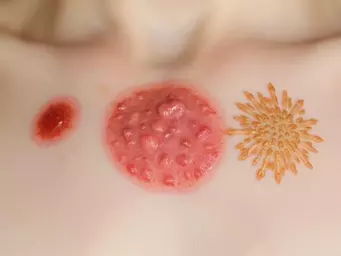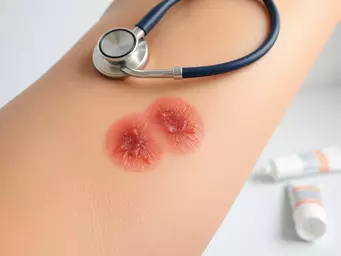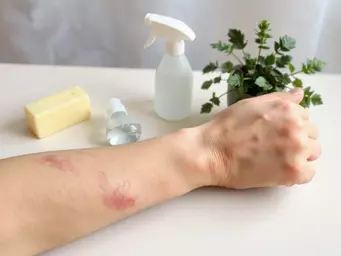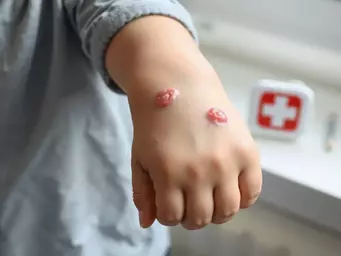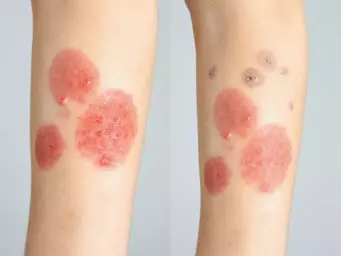
Scabies: Sarcoptes scabiei
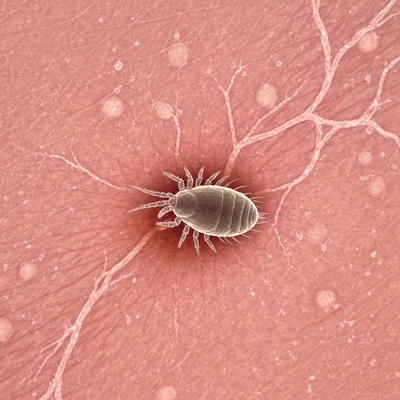
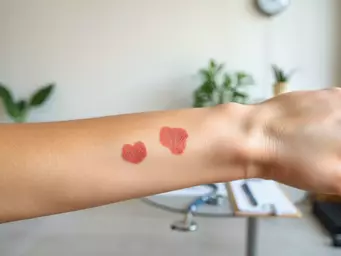
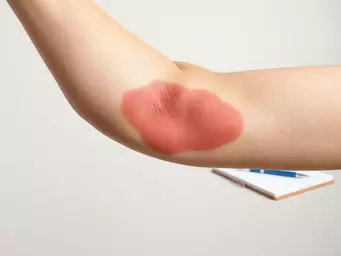
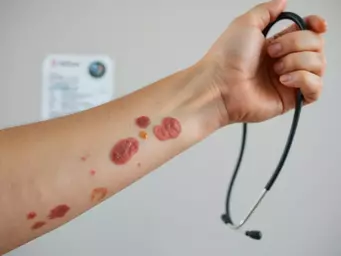
Tiny mites burrow into skin, causing intense itching and rash. Highly contagious via close physical contact.
- • Female mite lays eggs in skin
- • Eggs hatch, larvae mature into adults
- • Symptoms may take weeks to appear
Did you know that understanding parasitic skin infections can significantly impact your skin health? By recognizing the symptoms early and knowing how to act, you can enhance your comfort and recovery. Let's explore the essential insights on this important topic.
Understanding the essential factors and transmission pathways of parasitic skin infections like scabies and lice helps in effective prevention and treatment. Below is a breakdown of the causative agents, life cycles, and how these infections spread.
Tiny mites burrow into skin, causing intense itching and rash. Highly contagious via close physical contact.
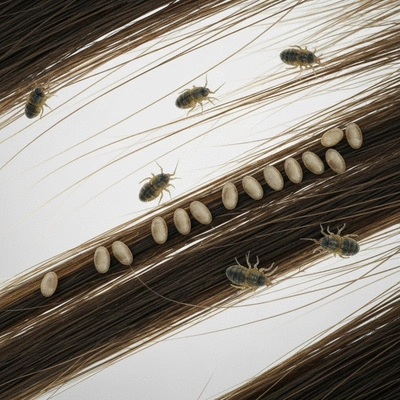
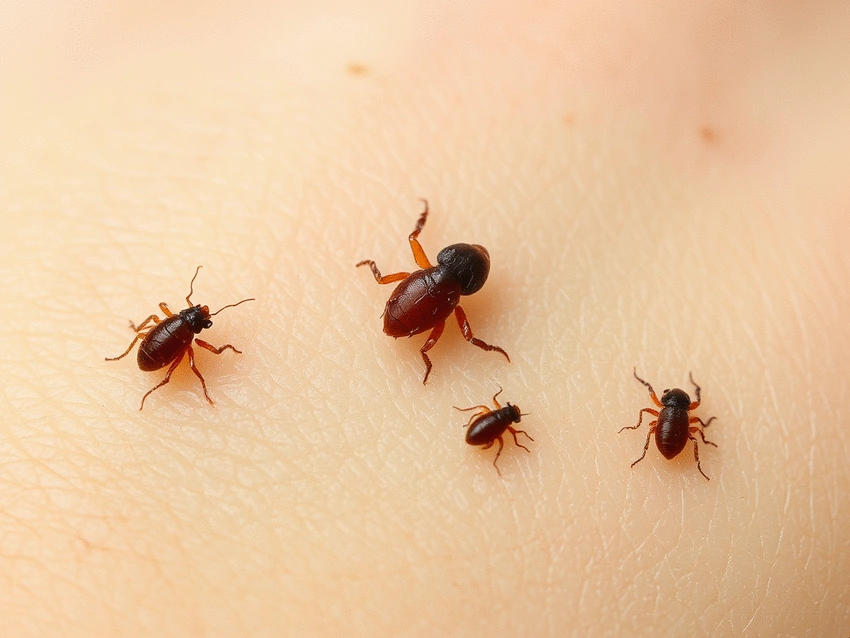
Parasitic insects with distinct infestation areas and transmission methods.
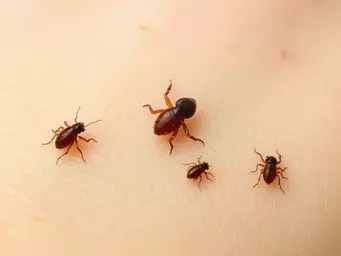
Beyond scabies and lice, other parasites can cause distinct skin infections.
Infestations typically occur through direct contact or shared personal items.
Parasitic skin infections can be a tricky topic, but understanding them is crucial for maintaining healthy skin. These infections are caused by various organisms that live on or in the skin, leading to discomfort and sometimes more serious health issues. By gaining a solid grasp of parasitic skin infections, we can take proactive steps toward prevention and treatment.
In my experience at What Are Rashes, I've seen how many people struggle with these conditions. Recognizing the symptoms early can make a significant difference in comfort and recovery. Let’s dive into some essential aspects of parasitic skin infections.
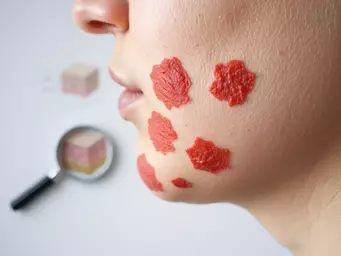
Parasitic skin infections are caused by organisms such as mites, lice, and worms that invade the skin. These parasites can lead to a range of symptoms, including severe itching and visible rashes. Understanding these infections is not just about knowing what they are but also recognizing their impact on both health and quality of life.
As I work closely with dermatologists, it's clear that early identification is essential. When we’re informed, we can take action quickly to mitigate these issues and improve skin health. The Merck Manuals provides a comprehensive approach to parasitic infections, emphasizing the importance of accurate diagnosis and timely intervention.
Let’s look at some of the most common types of parasitic skin infections. Awareness of these can help in recognizing symptoms sooner and seeking appropriate treatment.
Identifying which type of infection you might be dealing with is the first step toward effective treatment. Each has its own characteristics and methods of transmission that are important to understand.
Understanding how these parasites live and reproduce can provide insight into preventing infestations. For example, scabies mites lay eggs in the skin, leading to further irritation and spreading.
The cycle can happen quickly, which is why prompt action is vital. By breaking this cycle through treatment, we can effectively manage and eliminate these infections.
Have you ever experienced a parasitic skin infection? If so, what symptoms did you notice first? Share your thoughts below:
Understanding the causes of parasitic skin infections is essential for effective prevention and treatment. These infections are often the result of specific parasites, which can thrive on or within human skin. Awareness of how these parasites operate enables us to take proactive steps in safeguarding our skin health.
Among the most notorious culprits are scabies and lice, both of which can cause significant discomfort and require prompt action. Let’s explore these agents and how they invade our skin, causing various infections.
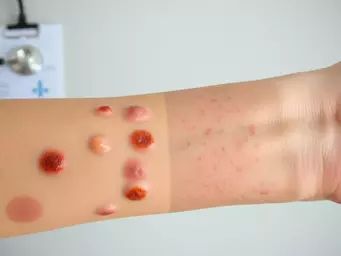
Sarcoptes scabiei is the tiny mite responsible for scabies. It burrows into the skin, leading to intense itching and a rash. Understanding its role is crucial for timely treatment!
Recognizing the signs of scabies early can significantly improve treatment outcomes. If you suspect an infestation, it’s vital to act swiftly! For more information on public health strategies related to scabies, refer to the CDC's guidelines.
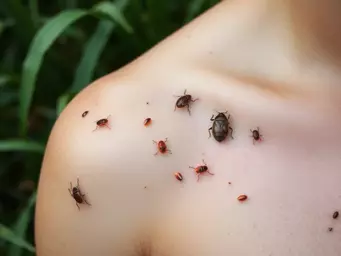
Lice are another common parasite affecting individuals of all ages. There are three primary types: head lice, body lice, and pubic lice. Each type has its method of transmission and areas of infestation.
Being informed about these different types of lice can help you take preventive measures and seek appropriate treatment when necessary. Remember, awareness is key!
In addition to scabies and lice, there are other notable parasites that can cause skin infections. Understanding these can broaden our knowledge of skin health.
Awareness of these parasites can help you make informed decisions about your health and seek assistance when needed. Let's not underestimate the significance of prevention and education!
Understanding how these infestations occur is vital for preventing them. Common transmission pathways include close contact, sharing personal items, and unsanitary conditions.
By being proactive in maintaining personal hygiene and avoiding shared items, we can significantly reduce our risk of parasitic skin infections. Let’s work together to keep our skin healthy and comfortable!
Here is a quick recap of the important points discussed in the article:
Lorem ipsum dolor sit amet, consectetur adipisicing elit. Ducimus itaque, autem necessitatibus voluptate quod mollitia delectus aut, sunt placeat nam vero culpa sapiente consectetur similique, inventore eos fugit cupiditate numquam!