What if understanding your skin could lead to a more comfortable life? Knowledge about conditions like eczema and chronic rashes empowers you to take control of your skin health.
What You Will Learn
Eczema is a specific chronic condition with various types, including atopic dermatitis and contact dermatitis.
Chronic rashes encompass a range of persistent skin irritations with diverse causes and appearances.
Recognizing the symptoms and triggers of chronic rashes is essential for effective management and treatment.
Genetic factors and environmental triggers play a critical role in the severity and management of eczema.
Keeping a journal of flare-ups can help identify triggers and patterns, aiding in better management.
Consulting with dermatologists can provide personalized treatment options tailored to individual skin needs.
Eczema vs. Chronic Rashes: Key Distinctions
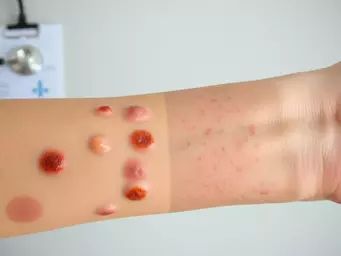
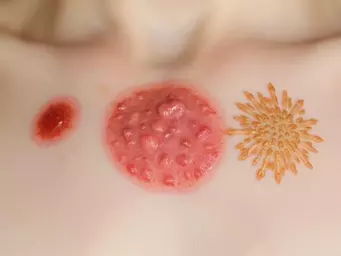
Understanding the unique characteristics of eczema and chronic rashes is crucial for effective management. This visual highlights their core differences and common types.
Eczema (Atopic Dermatitis)
Definition: Specific chronic inflammatory skin condition.
Understanding Eczema and Chronic Rashes: Definitions and Distinctions
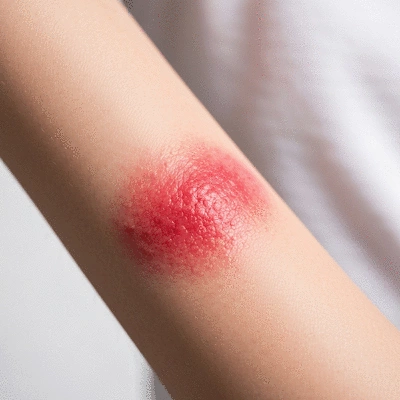
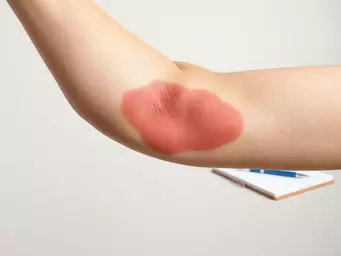
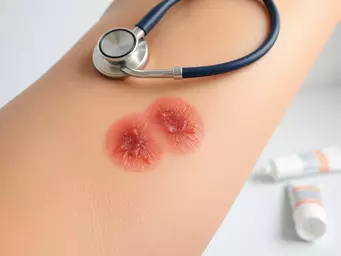
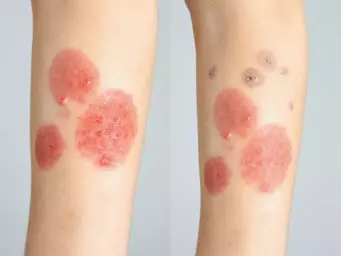
When talking about skin issues, it’s essential to understand the distinctions between eczema and chronic rashes. Both can cause discomfort and confusion, but they have different characteristics and treatment approaches. Eczema is a specific condition that often presents as red, inflamed patches on the skin, while chronic rashes can encompass a broader range of skin irritations that persist over time. Let’s break these down further to clarify the differences.
Eczema, often referred to as atopic dermatitis, is a chronic skin condition that may flare up periodically. It commonly occurs in children but can persist into adulthood or even appear later in life. The types of eczema include atopic dermatitis, contact dermatitis, dyshidrotic eczema, and more. Understanding these variations helps in identifying the right treatments tailored to individual needs.
Defining Eczema and its Types
Eczema can manifest in several forms, each with unique symptoms. Here’s a brief overview of the most common types:
Atopic Dermatitis: The most prevalent form, often associated with allergies and asthma.
Contact Dermatitis: Triggered by direct contact with irritants or allergens.
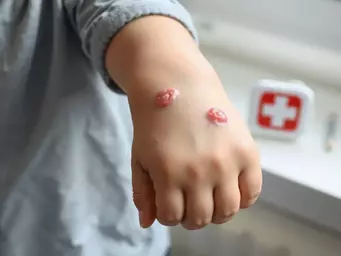
Dyshidrotic Eczema: Characterized by small blisters on hands and feet.
Stasis Dermatitis: Occurs due to poor circulation, typically in the lower legs.
Each type requires a different approach for management, emphasizing the importance of accurate diagnosis. As someone passionate about skin health, I believe identifying these distinctions early can lead to more effective treatment outcomes for individuals.
Overview of Chronic Rashes and Their Symptoms
Chronic rashes can be more challenging to define since they encompass a variety of skin conditions that persist over time. Unlike eczema, chronic rashes may not have a singular cause or appearance. They might be linked to ongoing irritants or allergies, and can include conditions like psoriasis and seborrheic dermatitis.
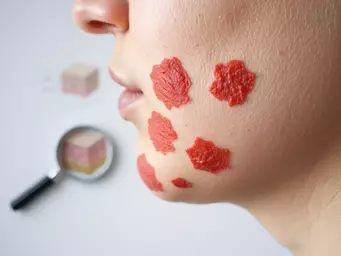
Symptoms: Chronic rashes often appear as red, itchy patches that may become crusty or scaly.
Duration: These rashes can last for weeks or even months, requiring ongoing treatment.
Triggers: They can be exacerbated by environmental factors such as weather changes, stress, or certain foods.
Recognizing the symptoms of chronic rashes is crucial for effective management. As I always emphasize at What Are Rashes, being proactive in understanding your skin can lead to better health outcomes and a more comfortable daily life.
Pro Tip
To better manage your eczema or chronic rash, consider incorporating a consistent skincare routine tailored to your skin's unique needs. Opt for fragrance-free, hypoallergenic products to minimize irritation, and always patch-test new treatments. Keeping your skin hydrated and protected can significantly reduce flare-ups and improve overall skin health.
Frequently Asked Questions About Eczema and Chronic Rashes
What is the main difference between eczema and chronic rashes?
Eczema is a specific chronic inflammatory skin condition with various types (e.g., atopic dermatitis), often linked to genetic and environmental factors. Chronic rashes are a broader term for any persistent skin irritations that can have diverse causes and appearances.
What are the common types of eczema?
Common types of eczema include Atopic Dermatitis (the most prevalent form), Contact Dermatitis, Dyshidrotic Eczema, and Stasis Dermatitis. Each type has unique characteristics and often requires different management strategies.
What causes eczema and chronic rashes?
Eczema is primarily caused by genetic factors, such as mutations in genes like FLG and CARD11, combined with environmental triggers. Chronic rashes can be triggered by various environmental factors like stress, certain foods, weather changes, and ongoing irritants or allergens. Understanding these influences can help identify and manage conditions more effectively.
How can I manage flare-ups of eczema or chronic rashes?
Effective management includes keeping a journal to identify personal triggers, consulting with dermatologists for tailored advice, and adopting a consistent skincare routine. Using fragrance-free, hypoallergenic products and staying hydrated can also significantly reduce irritation and flare-ups.
Is eczema hereditary?
Yes, eczema can be hereditary. Research suggests that if one or both parents have eczema, their children are more likely to develop it. Genetic predispositions, such as variations in the FLG gene, play a significant role in susceptibility. For more information, you can explore resources like Medical News Today.
Can household environments affect the development of eczema?
Absolutely. Studies indicate that household environments can significantly influence the likelihood of children developing eczema. Factors like exposure to certain allergens, pollutants, and even the cleanliness of the home can play a role. You can find more details on this topic from sources like News-Medical.net.
Summarizing Key Insights on Eczema and Chronic Rashes
Understanding eczema and chronic rashes is essential for anyone affected by these conditions. The interplay between genetic factors and environmental triggers plays a pivotal role in how these skin issues manifest. From the genetic influences of specific genes like FLG and CARD11 to the detrimental effects of common environmental irritants, gaining insight into these aspects can empower individuals to better manage their symptoms.
Research highlights that recognizing these factors can lead to more effective treatment plans. At What Are Rashes, we emphasize the importance of early identification and a proactive approach, allowing individuals to feel more in control of their skin health!
The Importance of Understanding Genetic and Environmental Factors
When it comes to eczema, understanding its complexities can seem daunting. However, breaking it down into genetic and environmental components helps clarify its management. Here are some key points to consider:
Genetic Makeup: Certain genes can predispose individuals to eczema, influencing its severity and response to treatments. The hereditary nature of eczema is well-documented, with genetic variations playing a key role.
Environmental Triggers: Allergens, pollution, and irritants can provoke flare-ups, making awareness vital. For instance, household environments can significantly impact the development of eczema in children.
Skin Barrier Function: A compromised skin barrier can exacerbate eczema, further highlighting the need for protective skincare.
By understanding these factors, individuals can develop a more personalized and effective strategy for managing their skin conditions. I encourage everyone to take an active role in their skincare journey!
Encouraging Awareness and Proactive Management Strategies
Awareness is the first step toward effective management of eczema and chronic rashes. By being informed about the triggers and symptoms, individuals can take proactive measures. Here are some strategies I recommend:
Keep a Journal: Documenting flare-ups and potential triggers can help identify patterns.
Consult Professionals: Engaging with dermatologists can provide tailored advice and treatment options.
Stay Educated: Regularly reading resources like What Are Rashes will ensure you stay updated on best practices.
Implementing these strategies can significantly improve the management of eczema. Remember, knowledge is power when it comes to skin health!
Recap of Key Points
Here is a quick recap of the important points discussed in the article:
Eczema vs. Chronic Rashes: Eczema is a specific condition characterized by red, inflamed patches, while chronic rashes are a broader category of persistent skin irritations.
Types of Eczema: Common types include atopic dermatitis, contact dermatitis, dyshidrotic eczema, and stasis dermatitis, each requiring tailored management approaches.
Chronic Rash Symptoms: These rashes can manifest as red, itchy patches, often exacerbated by environmental factors and can last for weeks or months.
Genetic and Environmental Influences: Understanding the roles of genetics and environmental triggers is crucial for effective management of eczema and chronic rashes.
Proactive Management Strategies: Keeping a journal of flare-ups, consulting dermatologists, and staying educated are key strategies for effective skin health management.
George Washington
Lorem ipsum dolor sit amet, consectetur adipisicing elit. Ducimus itaque, autem necessitatibus voluptate quod mollitia delectus aut, sunt placeat nam vero culpa sapiente consectetur similique, inventore eos fugit cupiditate numquam!
What Are Rashes is dedicated to empowering individuals with clear, actionable insights into skin rashes, their causes, and effective treatments. Our mission is to demystify complex dermatological information, providing reliable and accessible guidance for healthier skin.