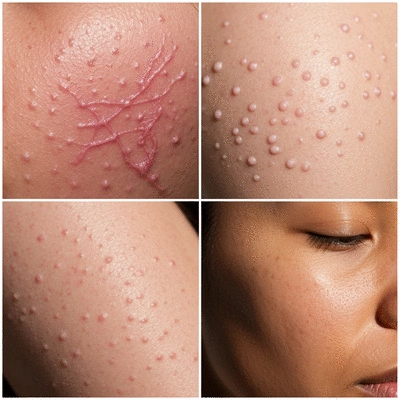
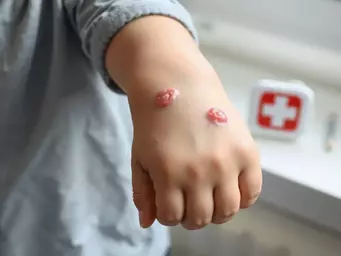
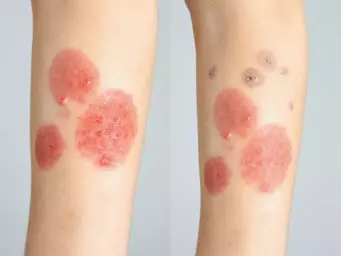
Living with chronic rash conditions can feel overwhelming, but understanding them is the first step toward effective management. Just take a look at the startling statistic: approximately 7.5 million Americans live with psoriasis. With knowledge, you can regain control over your skin health!
What You Will Learn
Recognize the key differences between eczema and psoriasis, including symptoms and triggers.
Understand the significant emotional and social impacts that chronic rash conditions can have on individuals.
Identify red flags that indicate when it's time to seek professional care for chronic rashes.
Learn the importance of comprehensive care, including management strategies and potential treatments.
Chronic Rash Conditions: Prevalence and Impact
A visual comparison of key statistics and common characteristics of Eczema and Psoriasis.
Eczema (Atopic Dermatitis)
Prevalence: Around 10% of the population experiences eczema at some point.
Key Characteristics: Dry, itchy skin; can show up anywhere.
Symptoms: Thick, red patches with silvery scales; joint pain/swelling (Psoriatic Arthritis).
Connection: About 30% of people with psoriasis develop psoriatic arthritis.
3%
Population affected
Understanding Chronic Rash Conditions and Their Impact
Chronic rash conditions can be a real challenge for many individuals. Two of the most common types are eczema and psoriasis. Eczema, often characterized by dry, itchy skin, can show up anywhere on the body, whereas psoriasis typically appears as red, scaly patches. Did you know that approximately 7.5 million Americans live with psoriasis? Thankfully, understanding these conditions is the first step toward effective management!
These chronic rashes not only affect the skin but can also lead to a variety of symptoms like inflammation, discomfort, and even emotional distress. If you or someone you know is dealing with these conditions, it’s important to recognize their prevalence and impact. Let’s explore more about how they can affect our lives.
What Are Chronic Rash Conditions?
Chronic rash conditions, like eczema and psoriasis, are persistent skin issues that require ongoing management. Eczema is often linked to allergies and environmental factors, while psoriasis is an autoimmune disorder. Both conditions can cause significant discomfort and can appear in various forms.
Eczema: Symptoms include itching, redness, and dry patches.
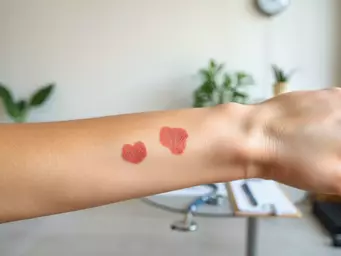
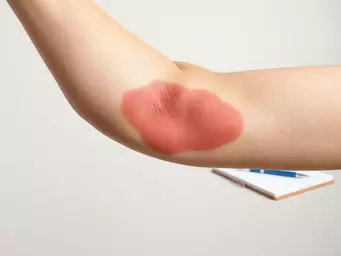
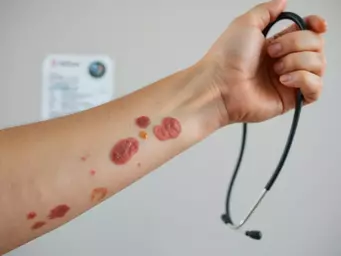
Psoriasis: Symptoms may consist of thick, red patches covered with silvery scales.
Prevalence: Around 10% of the population experiences eczema at some point, while psoriasis affects roughly 3% of people.
Recognizing these symptoms early can lead to better management strategies and improve overall quality of life. Understanding what chronic rashes are is key to taking control of your skin health.
The Importance of Managing Chronic Rashes
Living with a chronic rash can take a toll on your quality of life. It can disrupt daily activities, affect your sleep, and lead to feelings of frustration or embarrassment. Many people find themselves constantly adjusting their lifestyle to accommodate their skin’s needs.
Mental Health: The stress of managing chronic rashes can lead to anxiety and depression.
Social Interactions: Some individuals avoid social situations due to their skin condition.
Daily Activities: Simple tasks may become complicated by discomfort or the need for frequent skin care.
By managing these conditions effectively, you can improve your well-being and regain control over your life. This journey starts with understanding your skin and its needs!
Atopic Dermatitis: A Closer Look at Eczema
Atopic dermatitis is a specific form of eczema that often begins in childhood. It is characterized by dry, itchy skin that can lead to rashes and inflammation. Understanding atopic dermatitis is crucial for effective management, as it can recur throughout a person's life.
Symptoms: Persistent itchiness, redness, and flaky skin can occur.
Triggers: Common triggers include allergens, stress, and environmental irritants.
Treatment: Regular moisturizing and the use of topical corticosteroids can provide relief.
Being aware of what triggers your eczema can help you avoid flare-ups and maintain healthier skin. The right approach makes a significant difference!
Psoriatic Arthritis: Understanding Its Connection to Psoriasis
Psoriasis is more than just a skin condition; it can also lead to psoriatic arthritis, which affects the joints. This connection highlights the importance of addressing psoriasis early to prevent further complications. Did you know about 30% of people with psoriasis develop psoriatic arthritis?
Symptoms: Joint pain, stiffness, and swelling can accompany skin symptoms.
Impact on Treatment: Early identification is key for effective management of both the skin and joint symptoms.
Comprehensive Care: Working with a dermatologist can help tailor treatments that address both psoriasis and joint health.
Understanding this connection empowers individuals to seek the right treatments and support. If you suspect you may have psoriatic arthritis, it’s essential to consult a healthcare professional!
Pro Tip
Did you know that keeping a skin diary can significantly help in managing chronic rashes? By tracking your daily skin condition, triggers, and treatments, you can identify patterns that may lead to flare-ups. This proactive approach not only empowers you to manage your symptoms better but also provides valuable information to your dermatologist for tailored treatment plans.
When to Seek Professional Care for Chronic Rashes
Living with chronic rashes can be challenging, and knowing when to seek professional help is crucial for effective management. Have you ever wondered if your skin condition has crossed the line into something that needs a dermatologist's expertise? It’s essential to recognize the red flags that signal it's time to consult a professional. Here are some key indicators:
Your rash is persistent and does not respond to over-the-counter treatments.
You experience severe itching that disrupts your sleep.
The rash is accompanied by fever, swelling, or pus.
You notice changes in your rash, such as spreading or development of blisters.
If you notice any of these symptoms, it’s time to consider reaching out to a specialist. The earlier you seek help, the better your chances of finding relief!
Recognizing Red Flags and Escalation Criteria
Determining when to escalate your care can make a significant difference in managing your skin condition. Red flags are signs that suggest your rash could be more severe than initially thought. Here are some criteria to consider:
Increased severity or frequency of flare-ups.
Presence of additional symptoms, such as joint pain or swelling.
Signs of infection, such as warmth, redness, or drainage from the rash.
A rash that does not improve with prescribed treatments.
Taking action when you notice these warning signs not only protects your skin but also contributes to your overall well-being. Remember, it’s always better to be proactive!
Understanding the Role of Dermatologists in Treatment
When you do decide to see a dermatologist, knowing what to expect can ease your anxiety. During your consultation, a dermatologist will assess your condition and may conduct a thorough examination of your skin. They might ask questions about your medical history, lifestyle, and any triggers you've identified.
Diagnostic tests may be conducted, such as skin biopsies or allergy testing.
Potential treatment options might include topical therapies, systemic medications, or light therapy.
Education on daily skincare routines tailored to your specific condition will be provided.
Dermatologists play a vital role in helping you manage chronic rashes effectively. Their expertise can guide you towards personalized treatment plans that improve your skin health and quality of life.
Summary of Key Treatment Strategies and Resources
In summary, managing chronic rashes like eczema and psoriasis involves a combination of self-care and professional guidance. It's crucial to have a robust strategy that includes both topical and systemic treatments, as well as lifestyle modifications. Here’s a quick recap of the main strategies to consider:
Regular use of moisturizers to maintain skin hydration.
Identification and avoidance of known triggers.
Adherence to treatment plans prescribed by healthcare providers.
Engagement in support groups or communities for shared experiences and tips.
When it comes to managing your condition, remember that a holistic approach is essential for long-term success. Don't hesitate to reach out to healthcare professionals and explore various support resources available to you!
Encouragement to Seek Support and Resources
Finding the right support network can enhance your journey toward managing chronic rashes. Numerous resources exist to assist you:
Online forums and support groups for shared experiences.
Local or national organizations that focus on skin health.
Websites providing reliable information about managing skin conditions.
Engaging with these resources can empower you with knowledge and connect you with others who understand what you're going through. At What Are Rashes, we aim to be a reliable resource for you, offering insights and practical advice for skin health! Sometimes, symptoms of chronic rashes can be similar to dermatological toxicities related to anticancer agents, so professional diagnosis is always recommended.
Engaging with Clinical Trials and Research Studies
Participating in clinical trials can be an excellent way to explore new treatment options for chronic rashes. If you're interested, here’s how you can get involved:
Research ongoing clinical trials that focus on eczema or psoriasis.
Consult with your dermatologist about potential trials that may fit your condition.
Understand the eligibility criteria and what participating may involve.
Engaging in research not only contributes to your own care but also helps advance the understanding and treatment of skin conditions for future patients. Stay informed and explore what might work best for you!
Recap of Key Points
Here is a quick recap of the important points discussed in the article:
Understanding Chronic Rashes: Eczema and psoriasis are common chronic rash conditions that require ongoing management.
Impact on Quality of Life: Chronic rashes can lead to emotional distress, affecting mental health and social interactions.
Identifying Symptoms: Recognizing symptoms early is crucial for effective management and involves identifying triggers for flare-ups.
Seeking Professional Care: Know when to consult a dermatologist, especially if rashes are persistent or accompanied by other symptoms.
Comprehensive Treatment: A holistic approach that includes moisturizers, avoiding triggers, and following prescribed treatment plans is essential.
Engaging with Support Resources: Use support groups and reliable online resources to enhance understanding and management of skin conditions.
Frequently Asked Questions (FAQs)
What are the main differences between eczema and psoriasis?
Eczema (Atopic Dermatitis) is characterized by dry, itchy skin and can appear anywhere, often linked to allergies and environmental factors. Psoriasis typically presents as red, scaly patches and is an autoimmune disorder. While both cause discomfort, their underlying causes and appearances differ.
How common are chronic rash conditions?
Eczema affects about 10% of the population at some point, while psoriasis affects roughly 3% of people, which translates to about 7.5 million Americans.
What emotional and social impacts can chronic rashes have?
Chronic rashes can lead to significant emotional distress, including anxiety and depression, due to constant discomfort and potential self-consciousness. They can also affect social interactions and disrupt daily activities.
When should I seek professional care for a chronic rash?
You should seek professional care if your rash is persistent, doesn't respond to over-the-counter treatments, causes severe itching that disrupts sleep, is accompanied by fever, swelling, or pus, or shows changes like spreading or blistering.
What is the connection between psoriasis and psoriatic arthritis?
Psoriasis is a skin condition that can also lead to psoriatic arthritis, an inflammatory condition affecting the joints. Approximately 30% of people with psoriasis develop psoriatic arthritis, highlighting the importance of early diagnosis and comprehensive treatment.
What are some key strategies for managing chronic rashes?
Effective management includes regular moisturizing, identifying and avoiding triggers, adhering to prescribed treatment plans (topical, systemic, or light therapy), and engaging with support groups or reliable resources. Keeping a skin diary can also be highly beneficial.
George Washington
Lorem ipsum dolor sit amet, consectetur adipisicing elit. Ducimus itaque, autem necessitatibus voluptate quod mollitia delectus aut, sunt placeat nam vero culpa sapiente consectetur similique, inventore eos fugit cupiditate numquam!
What Are Rashes is dedicated to empowering individuals with clear, actionable insights into skin rashes, their causes, and effective treatments. Our mission is to demystify complex dermatological information, providing reliable and accessible guidance for healthier skin.