Measles
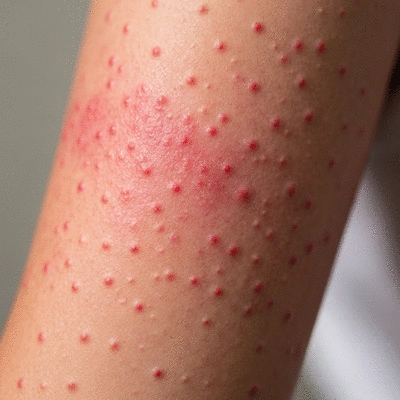
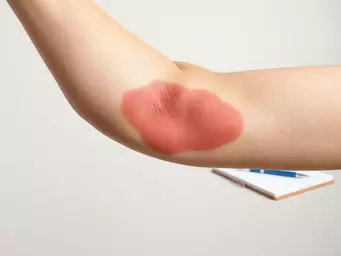
- Starts at hairline, spreads down body
- Blotchy, red spots that blend
- Accompanied by fever, cough, runny nose
What if a simple rash could be your body's way of signaling an underlying viral infection? Understanding viral rashes can help you take better control of your skin health and well-being.
Understanding the unique signs of different viral rashes can help in early identification and management. Below is a comparison of common viral rashes, highlighting their distinctive features.
Viral rashes can be quite perplexing and often raise many questions. So, what exactly is a viral rash? In simple terms, it's a skin eruption that occurs as a result of a viral infection. These rashes can appear in various forms and often serve as a visual cue that the body is fighting off an infection. Understanding these rashes can empower you to identify potential health issues early.
Viral rashes typically arise when a virus invades the body and triggers an immune response. This response may result in inflammation, leading to changes in the skin's appearance. Common causes include viruses like the measles virus, chickenpox virus, and several others that affect children and adults alike. Recognizing these symptoms is crucial for prompt and effective management!
A viral rash is often a result of a systemic viral infection, which means the virus is present throughout the body. These rashes can vary in appearance, from flat spots to raised bumps, and they may spread or appear in clusters. The immune system's reaction to the virus causes the skin changes we see as rashes. It's fascinating how our body communicates through these visible signs!
Each type of rash can provide clues about the underlying virus, helping healthcare providers make informed decisions regarding treatment. Understanding this connection can aid in recognizing when to seek further medical advice.
There are several viral infections that are notorious for causing rashes. Let's explore some of the most common ones:
Each of these infections has unique characteristics that can help in identifying them. As a health writer, I believe in the importance of recognizing these signs early to manage your skin health effectively!
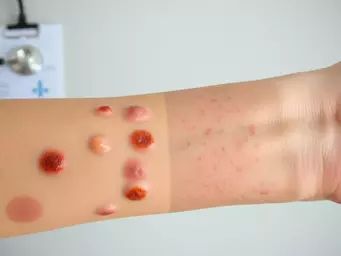
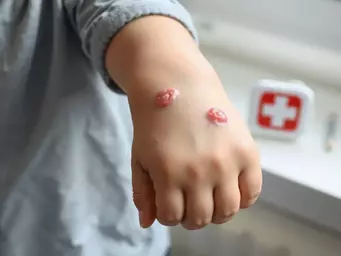
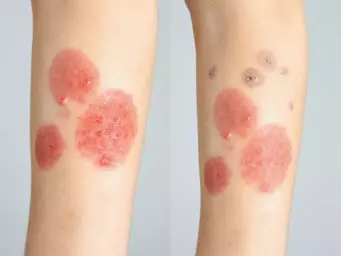
Measles is a highly contagious viral infection that starts with symptoms like fever, cough, and runny nose. The hallmark of measles is its rash, which typically starts at the hairline and spreads down the body. The spots can blend together, creating a blotchy appearance. If you notice these signs in yourself or a loved one, it's crucial to seek medical advice immediately!
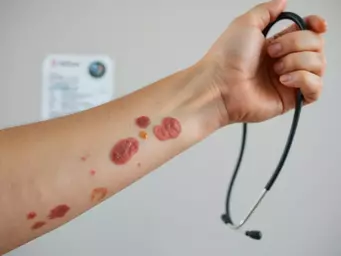
Chickenpox is often remembered for its very itchy rash that starts as small red spots. These spots quickly develop into fluid-filled blisters that eventually crust over. The rash usually starts on the face, chest, and back before spreading to the rest of the body. If you've had chickenpox, you might even be familiar with the discomfort it brings! For more details on varicella (chickenpox) from a healthcare perspective, you can refer to the CDC's guidelines on varicella infection control.
Aside from measles and chickenpox, there are other viral exanthems worth mentioning. For instance, roseola generally affects infants and toddlers, starting with a high fever followed by a rash that appears as the fever subsides. Shingles, caused by the reactivation of the chickenpox virus, leads to a painful rash that typically appears on one side of the body. Lastly, with the emergence of COVID-19, some patients have reported rashes with varying characteristics. Staying informed about these conditions can help you navigate your health better! For broader insights on dermatologic conditions that can arise from various infections, including viral ones, the CDC provides extensive information on post-travel dermatologic conditions.
Rubella, also known as German measles, presents with a rash that often spreads from the face downwards. It usually starts off as small, pink spots and can sometimes be mistaken for other viral rashes. What's crucial to remember is that rubella can pose significant risks during pregnancy, making awareness essential.
This disease is typically seen in children and presents with sores in the mouth and a rash on the hands and feet. The rash consists of red spots or blisters that can be painful. If your child develops these symptoms, it’s a good idea to consult with a healthcare provider for advice on management and care.
Did you know? Keeping a detailed diary of your skin's reactions can significantly help in identifying triggers for viral rashes. By noting the onset of symptoms, potential allergens, and even dietary changes, you can provide valuable information to your healthcare provider, enabling them to recommend the most effective treatment tailored to your unique situation.
A viral rash is a skin eruption caused by an underlying viral infection. It's often a sign that your body's immune system is responding to the virus.
Common viral infections known for causing rashes include measles, chickenpox, rubella (German measles), and Hand, Foot, and Mouth Disease.
Viral rashes have distinct characteristics depending on the virus. For example, chickenpox presents as very itchy, fluid-filled blisters, while measles typically starts at the hairline and spreads as blotchy red spots. Consulting a healthcare provider for an accurate diagnosis is always recommended.
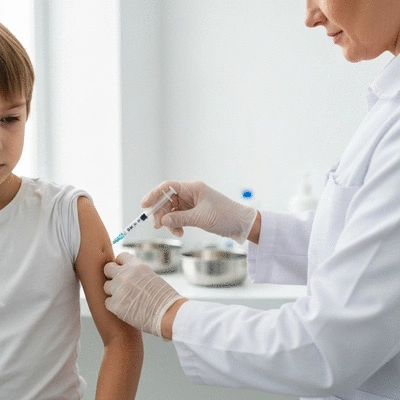
Yes, vaccination plays a crucial role in preventing certain viral infections that lead to rashes. Vaccines like MMR (for measles, mumps, and rubella) and varicella (for chickenpox) significantly reduce the risk of these common viral rashes.
You should seek professional medical guidance if a rash is accompanied by high fever, severe pain, difficulty breathing, signs of infection (like pus or increasing redness), or if it spreads rapidly. Early intervention can prevent complications and promote faster recovery.
As we wrap up our discussion on viral rashes, it's important to emphasize the need for professional guidance when symptoms arise. Recognizing the signs early can make all the difference in managing your health effectively. With my experience in health communication, I've seen how empowering it is for individuals to understand their skin conditions better. So, let's break down the essentials!
When it comes to viral rashes, consulting with healthcare professionals can provide insights that self-assessment often lacks. A dermatologist can help you identify the specific type of rash and recommend appropriate treatments tailored to your needs. Remember, early intervention can prevent complications and promote faster recovery!
By reaching out to a healthcare provider, you're taking a proactive step toward understanding and managing your symptoms effectively. Trust me, it’s worth it!
Awareness is key when it comes to preventing viral rashes. Vaccination plays a significant role in protecting against certain viral infections like measles and chickenpox, which can lead to rashes. By staying informed about vaccination schedules, you can help safeguard your health and that of your loved ones.
According to health experts, vaccinations not only protect individuals but also contribute to community immunity. Here are some essential vaccines to consider, including those recommended for healthcare personnel by the CDC:
Engaging in public health initiatives and understanding the importance of these vaccinations can significantly reduce the risk of viral rashes. It’s about working together to keep everyone safe!
Now that you have a solid understanding of viral rashes, let’s talk about your next steps for effective management. Taking action when you notice symptoms can help you feel more in control of your skin health.
One way to start is by using an online symptom checker. These tools can provide insights into your condition based on your symptoms. They can help you determine whether your rash is likely viral or something else entirely, guiding your next steps. Just remember, they’re not a substitute for professional advice!
When it’s time to consult a healthcare provider, being prepared can make the appointment more productive. Consider jotting down your symptoms, their duration, and any other health issues you might have. This information will help your doctor understand your situation better and provide tailored advice.
Here are some important questions to consider asking:
Having clear questions ready can enhance the conversation and ensure you leave with the information you need!
Lastly, don’t forget about the wealth of resources available for ongoing education. Websites like What Are Rashes provide valuable insights into various skin conditions, helping you stay informed. My mission is to empower you with knowledge, enabling you to recognize and manage skin issues effectively!
Remember, understanding your skin health is a journey, and you don’t have to navigate it alone. Stay curious, stay informed, and take care of your skin!
Here is a quick recap of the important points discussed in the article:
Lorem ipsum dolor sit amet, consectetur adipisicing elit. Ducimus itaque, autem necessitatibus voluptate quod mollitia delectus aut, sunt placeat nam vero culpa sapiente consectetur similique, inventore eos fugit cupiditate numquam!