What Antihistamine Is Best for a Rash?
Medically Reviewed By
Dr. Marcus Chen, FAAD
Last Updated
March 21, 2026
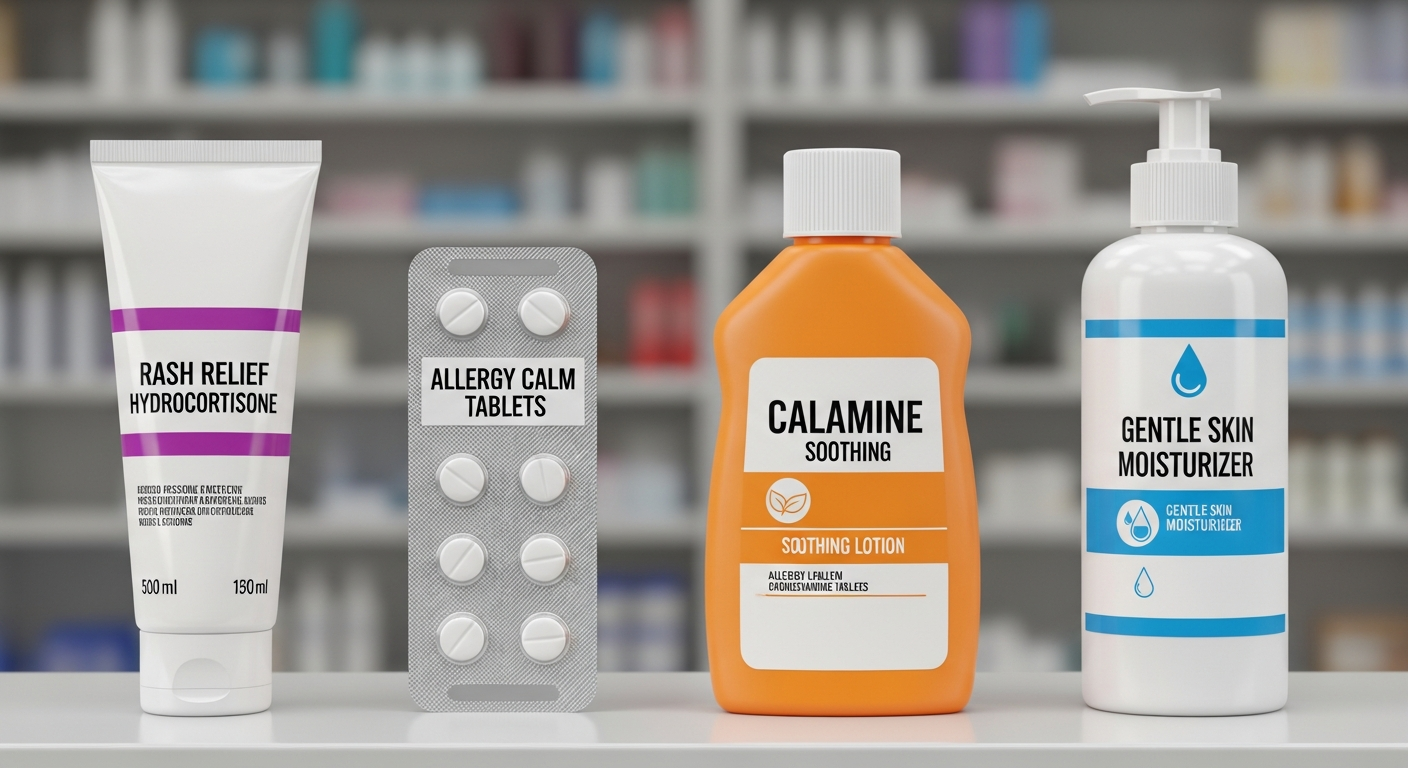
For most rashes caused by histamine release — hives (urticaria), allergic contact dermatitis, insect bites, and mild allergic reactions — second-generation oral antihistamines are the recommended first-line treatment. Cetirizine (Zyrtec) 10mg is generally the most potent and fastest-acting of the commonly available non-sedating options, reaching effective blood levels within 1 hour. Loratadine (Claritin) 10mg is similarly effective but with a slightly slower onset. Fexofenadine (Allegra) 180mg is the least sedating of the three and is preferred for people who are extremely sensitive to even minimal sedation. Diphenhydramine (Benadryl) 25–50mg is a first-generation antihistamine that is highly sedating and inappropriate for daytime use but useful at night when sedation aids sleep. For rashes where histamine is not the primary driver — eczema, psoriasis, fungal rash, bacterial rash — antihistamines provide only modest itch relief and do not treat the underlying condition.
Quick Medical Summary
Second-Generation Antihistamines: The Preferred Choice
Second-generation antihistamines (cetirizine, loratadine, fexofenadine, desloratadine, levocetirizine, bilastine) are the standard of care for allergic rash treatment. They selectively block peripheral H1 histamine receptors without significantly crossing the blood-brain barrier, producing antihistamine effect without the sedation, cognitive impairment, and anticholinergic side effects (dry mouth, urinary retention, constipation, blurred vision) of first-generation antihistamines. Among the commonly available options: cetirizine (Zyrtec) 10mg once daily is typically the most potent, with onset within 1 hour and full effect by 2–4 hours. It is the antihistamine of choice in most urticaria guidelines. About 10–15% of patients experience mild drowsiness with cetirizine — if this is problematic, switch to fexofenadine. Loratadine (Claritin) 10mg once daily has a similar efficacy profile to cetirizine with marginally less sedation potential. It has a slower onset of 2–3 hours to peak effect but lasts 24 hours. Fexofenadine (Allegra) 180mg once daily (adults) is the least sedating second-generation option — it does not cross the blood-brain barrier at all at standard doses. However, absorption is reduced by fruit juice (grapefruit, apple, orange juice reduce bioavailability by up to 36%) — take with water only. Levocetirizine (Xyzal) and bilastine are prescription options in many countries with similar or superior efficacy to cetirizine; bilastine specifically is approved at higher doses for urticaria refractory to standard dosing.
When to Use First-Generation Antihistamines
First-generation antihistamines (diphenhydramine/Benadryl, hydroxyzine/Atarax, chlorphenamine/Piriton, promethazine) are characterized by significant CNS sedation and anticholinergic effects. They should not be used as routine daytime antihistamines for rash — they impair cognitive function, driving ability, and complex task performance. However, specific situations justify their use. Diphenhydramine 25–50mg at night: the sedating effect assists sleep disruption caused by intense nocturnal itch (eczema, severe hives). However, tolerance to the sedation develops within 3–4 days of nightly use, limiting long-term utility. Hydroxyzine (Atarax) 10–25mg: slightly more effective than diphenhydramine for itch with less rebound effect; frequently used for severe pruritus in eczema, contact dermatitis, and urticaria where daytime sedation is acceptable or desirable. Chlorphenamine (Piriton): standard prescription antihistamine in many countries for allergic rashes; effective but sedating — not recommended for daytime use when operating machinery or driving. Promethazine: strong antihistamine-antipsychotic combination — useful for anaphylaxis treatment protocols in hospital settings; not appropriate for self-medication. First-generation antihistamines should be specifically avoided in the elderly (increased fall risk from sedation and confusion), in patients with BPH (urinary retention risk), glaucoma, and in those operating vehicles or heavy machinery.
Choosing the Right Antihistamine for Your Specific Rash
Matching the antihistamine to the rash type and patient profile is important for maximizing efficacy and minimizing side effects. For acute allergic hives (urticaria): cetirizine 10mg is the first choice — most potent, fast-acting, once daily. If mild drowsiness is a concern, fexofenadine 180mg. For nighttime-predominant itch: cetirizine 10mg in the evening or hydroxyzine 10mg before bed. For chronic spontaneous urticaria (hives lasting >6 weeks): international guidelines (EAACI/GA²LEN/EDF/WAO) recommend second-generation antihistamines up to 4× the standard dose before stepping up to omalizumab — cetirizine can be used at 10–40mg/day (off-label) under medical supervision. For insect bite reactions and contact dermatitis: cetirizine or loratadine — both effective for histamine-driven itch. For eczema itch: second-generation antihistamines provide modest benefit (itch is largely non-histamine-mediated in eczema). Sedating antihistamines at night help sleep disruption; dupilumab (biologic) and topical calcineurin inhibitors address the underlying itch mechanism more effectively. For children: cetirizine (liquid formulation from age 2, standard tablet from age 6) and loratadine (from age 2) are the safest choices for pediatric rash. Diphenhydramine/Benadryl should not be used in children under 4 years due to paradoxical excitation and rare serious adverse events. For pregnancy: loratadine is considered the safest antihistamine in pregnancy based on the largest safety dataset; cetirizine is also widely used. Consult an obstetrician before taking any antihistamine in pregnancy.
Key Symptoms
- Hives (wheals) from food, medication, or allergic exposure — first-line: cetirizine 10mg
- Insect bite reactions with local wheal and itch — loratadine or cetirizine
- Nighttime rash itch disrupting sleep — hydroxyzine or diphenhydramine at night only
- Chronic hives persisting >6 weeks — escalating antihistamine doses, then omalizumab
- Eczema-related itch — topical treatments primary; antihistamines for modest adjunctive relief
- Anaphylaxis with rash — epinephrine first, IV antihistamines in hospital setting
Treatment Options
- Daytime allergic rash: cetirizine 10mg OR loratadine 10mg OR fexofenadine 180mg once daily
- Night itch: hydroxyzine 10–25mg OR diphenhydramine 25mg — expect sedation
- Chronic urticaria not responding: up to 40mg cetirizine/day (medical supervision); then omalizumab
- Children's rash: cetirizine syrup (ages 2+) or loratadine syrup (ages 2+)
- Pregnancy: loratadine preferred; consult obstetrician
- Anaphylaxis: epinephrine auto-injector first; antihistamines are adjunctive, not primary treatment
When to See a Doctor Immediately
- Difficulty breathing or swallowing
- Swelling of the face, lips, or tongue
- High fever or severe chills
- Rapid spreading over a large body surface area
- Extreme pain, dizziness, or confusion
Frequently Asked Questions
Disclaimer
The medical information provided in this article is for educational purposes only and should not replace professional medical advice, diagnosis, or treatment. Always consult with a board-certified dermatologist or primary care physician regarding any severe or persistent skin conditions.