How to Treat an Allergic Rash
Medically Reviewed By
Dr. Marcus Chen, FAAD
Last Updated
December 19, 2025
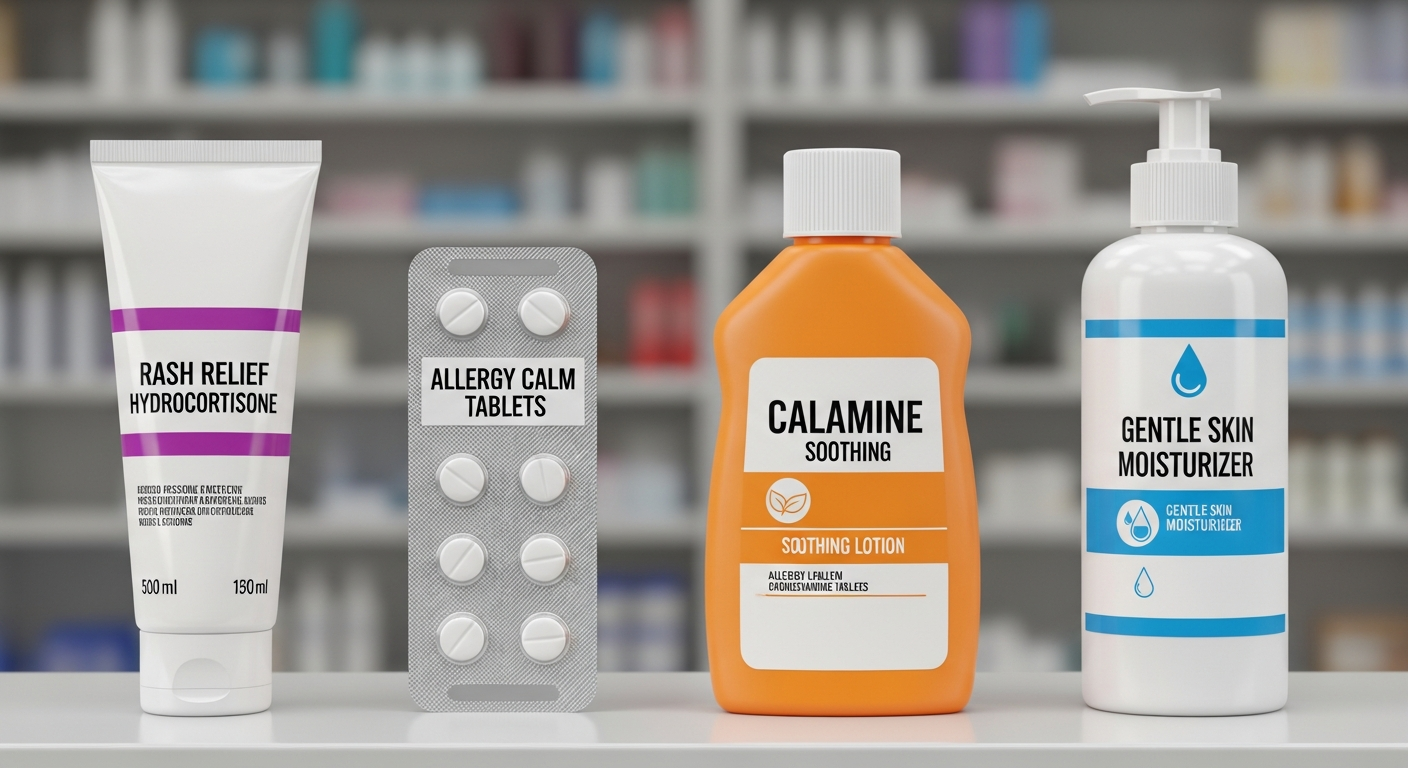
The treatment of an allergic rash depends on the type of allergic reaction and its severity. The three main categories are: (1) IgE-mediated urticaria (hives from food, medication, or insect allergy) — treated primarily with antihistamines and epinephrine for severe reactions; (2) contact dermatitis from allergen skin contact — treated with allergen removal, topical corticosteroids, and cool compresses; and (3) atopic eczema flares triggered by environmental or food allergens — treated with emollients, topical steroids, and trigger avoidance. The overarching principle is to remove the allergen, reduce the immune response with appropriate medications, and protect the skin barrier. For mild allergic rashes, over-the-counter treatments work well. For severe reactions — particularly any involving throat swelling, difficulty breathing, or rapid spread — epinephrine auto-injection and emergency services are required immediately.
Quick Medical Summary
Treating Allergic Hives (Urticaria)
For acute allergic hives, oral second-generation antihistamines are the first-line treatment. Cetirizine (Zyrtec) 10mg, loratadine (Claritin) 10mg, or fexofenadine (Allegra) 180mg should be taken immediately — they reach peak effect within 1–2 hours. These antihistamines block H1 histamine receptors, preventing histamine from causing the wheal-and-flare response. For faster onset, particularly in acute reactions, some physicians prescribe diphenhydramine (Benadryl) 25–50mg as it is more rapidly absorbed, though it causes significant sedation. If hives are severe, widespread, or accompanied by angioedema (lip, eye, or tongue swelling), a short course of oral prednisolone (20–40mg daily for 3–5 days) is commonly prescribed to suppress the immune reaction more rapidly. For anaphylaxis — hives with throat swelling, wheezing, dizziness, or vomiting — epinephrine (adrenaline) auto-injector (EpiPen) administered into the outer thigh is the life-saving first treatment. Call 999/911 immediately after administering epinephrine. Observe for 4 hours after anaphylaxis in a medical setting for biphasic reactions (second wave of anaphylaxis occurring 1–12 hours after initial reaction).
Treating Allergic Contact Dermatitis
The most important step for contact dermatitis is removing the allergen immediately — all further treatment is suppressive if the trigger remains in contact with the skin. Wash the contact area thoroughly with soap and cool water to remove residual allergen. For poison ivy contact, wash within 15 minutes of exposure with soap and cool water; isopropyl alcohol followed by water rinse is also effective at removing urushiol. Topical hydrocortisone 1% cream (OTC) applied twice daily reduces the inflammation for mild contact dermatitis. For moderate-to-severe allergic contact dermatitis — widespread blistering, large body area involvement, or face involvement — prescription-strength topical steroids (betamethasone, clobetasol) or oral prednisolone are needed. The duration of oral prednisone for severe poison ivy should be 14–21 days — stopping at 5–7 days (as in many short courses) causes the rash to rebound as the immune response is still active. Cool compresses applied for 15–20 minutes provide immediate symptom relief by reducing local vasodilation and itch. Wet compresses of aluminum acetate (Burow's solution) are traditional preparations for weeping contact dermatitis that provide astringent and antiseptic benefit. Oral antihistamines reduce itch modestly and help with sleep disruption.
Preventing Recurrence and Managing Chronic Allergic Skin Disease
Treating acute allergic rash is only half the management — preventing recurrence requires identifying and avoiding the trigger allergen, which often requires formal allergy testing. For contact dermatitis, patch testing (applying 30–80 standardized allergens to the back for 48 hours) identifies the specific sensitizer. Once identified, the allergen must be permanently avoided — even trace amounts can perpetuate reactions in sensitized individuals. For food allergy hives, skin prick testing or specific IgE blood testing identifies food triggers. Oral immunotherapy (OIT) for peanut allergy (FDA-approved) and sublingual immunotherapy (SLIT) for tree pollen cross-reactive food allergies are emerging desensitization approaches. For chronic spontaneous urticaria not responding to antihistamines, omalizumab (Xolair) — a monthly anti-IgE injection — produces dramatic improvement in 60–70% of patients. For eczema triggered by environmental allergens, reducing dust mite exposure (dust mite-proof mattress and pillow covers, regular washing at 60°C, hard flooring) and maintaining a strict emollient and topical steroid regimen reduces flare frequency. Dupilumab (Dupixent) — an IL-4/IL-13 receptor antagonist biologic — is the most effective treatment currently available for moderate-to-severe atopic eczema and significantly reduces allergen-triggered flares.
Key Symptoms
- Hives (wheals) anywhere on body within 30–60 minutes of allergen exposure
- Blistering, weeping rash in allergen contact area (allergic contact dermatitis)
- Intensely itchy eczema rash flaring with allergen exposure
- Angioedema: swelling of lips, eyelids, or tongue alongside hives
- Throat tightening or breathing difficulty with any allergic rash — emergency
- Rash returning in same contact-shaped pattern after re-exposure to allergen
Treatment Options
- Mild hives: cetirizine 10mg, loratadine 10mg, or fexofenadine 180mg immediately
- Moderate-severe hives: oral prednisolone 20–40mg for 3–5 days
- Anaphylaxis: epinephrine auto-injector immediately, then 999/911
- Contact dermatitis: remove allergen; wash area; topical steroid; cool compresses
- Severe contact dermatitis (large area or face): oral prednisone for 14–21 days
- Chronic urticaria: omalizumab (Xolair) via allergy specialist
When to See a Doctor Immediately
- Difficulty breathing or swallowing
- Swelling of the face, lips, or tongue
- High fever or severe chills
- Rapid spreading over a large body surface area
- Extreme pain, dizziness, or confusion
Frequently Asked Questions
Disclaimer
The medical information provided in this article is for educational purposes only and should not replace professional medical advice, diagnosis, or treatment. Always consult with a board-certified dermatologist or primary care physician regarding any severe or persistent skin conditions.