Can Anxiety Cause a Skin Rash?
Medically Reviewed By
Dr. Marcus Chen, FAAD
Last Updated
February 4, 2026
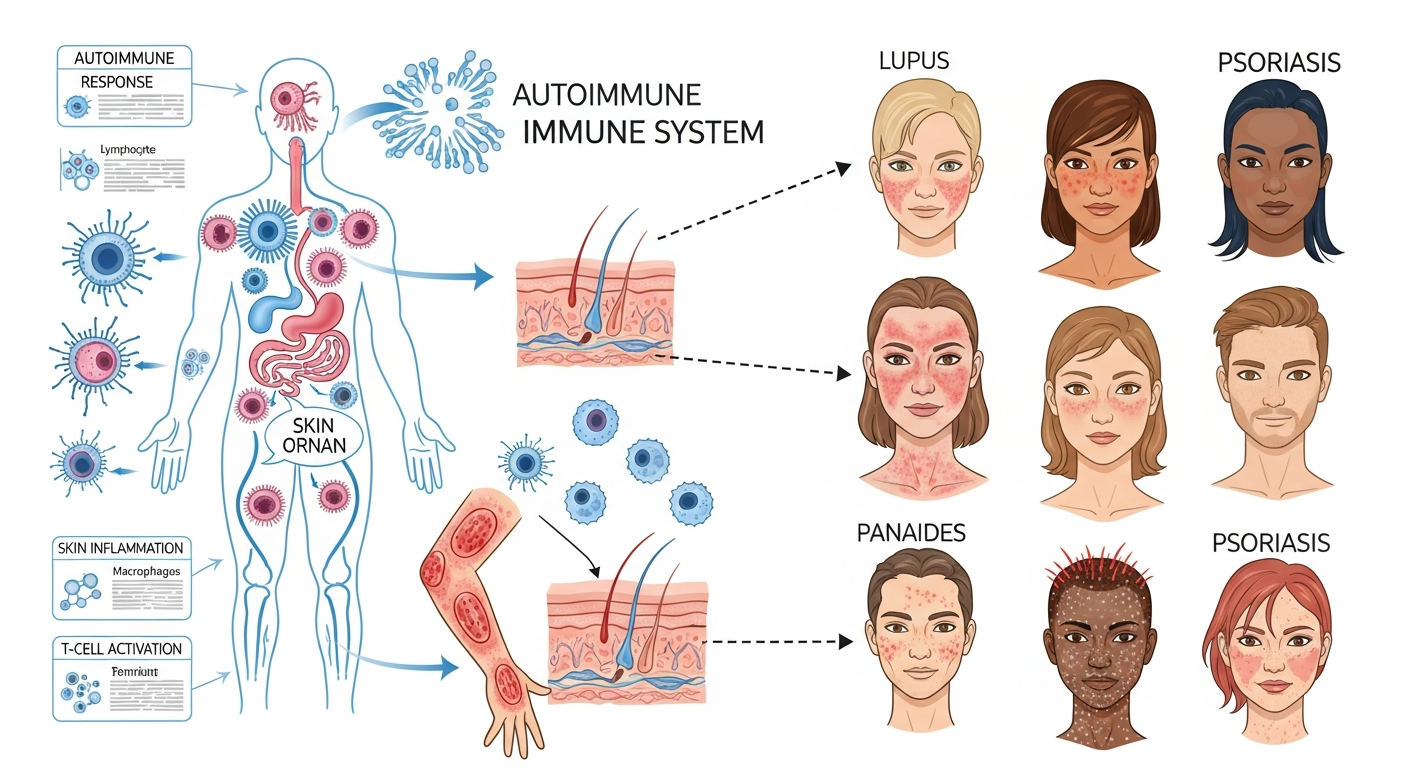
Anxiety can directly cause skin rashes through well-established neurological and immunological pathways. When the brain perceives a threat — real or imagined — it activates the fight-or-flight response, releasing adrenaline and cortisol and stimulating neuropeptide release from skin nerve fibers. These neuropeptides (substance P, CGRP) activate mast cells in the skin to release histamine, causing hives (urticaria) that appear within minutes to hours of intense anxiety. Anxiety also disrupts the HPA (hypothalamic-pituitary-adrenal) axis over time, leading to immune dysregulation that worsens eczema, psoriasis, and rosacea. Furthermore, anxiety commonly causes nervous habits like skin picking, nail biting, and scratching that mechanically damage the skin and trigger flares. The connection is bidirectional: anxiety causes rashes, and chronic rashes cause anxiety about appearance and diagnosis, creating a reinforcing cycle that both dermatologists and mental health professionals should address.
Quick Medical Summary
How Anxiety Triggers Hives and Skin Reactions
The skin-brain axis is not metaphorical — it has clear neurochemical pathways. Skin is densely innervated by C-fiber nerves that release neuropeptides in response to nervous system signals. During anxiety, the sympathetic nervous system activates these fibers, releasing substance P, calcitonin gene-related peptide (CGRP), and nerve growth factor (NGF) into the dermis. These neuropeptides have direct effects on mast cells — the histamine-containing sentinels of the immune system — triggering degranulation and histamine release. The result is the classic urticarial response: wheals, flares, and intense itching. This is sometimes called 'anxiety hives' or 'psychogenic urticaria.' It typically presents within 30 minutes of intense anxiety, affects the trunk, face, and extremities, and resolves within 24 hours once the anxiety subsides. The emotional trigger distinguishes it from food-allergy hives (which have a nutritional trigger) and physical urticaria (triggered by cold, pressure, or exercise). Anxiety also triggers hyperhidrosis (excessive sweating), which macates skin folds, promotes heat rash, and provides a favorable environment for candidal intertrigo (yeast rash in skin folds). Anxiety-related hyperventilation can cause facial flushing and perioral tingling that mimics rosacea or allergic reaction.
Chronic Anxiety and Inflammatory Skin Conditions
While acute anxiety causes hives, chronic anxiety has deeper effects on the skin through sustained HPA dysregulation. Chronic anxiety elevates baseline cortisol, which paradoxically impairs immune regulation over time — the regulatory T cells that normally suppress excessive inflammation become less effective. The result is that inflammatory skin conditions (eczema, psoriasis, seborrheic dermatitis) flare more severely and more frequently in anxious individuals. Dermatological studies consistently show that patients with eczema and psoriasis who also have anxiety disorder have more frequent flares, larger affected body surface area, and poorer response to standard treatments compared to non-anxious patients with the same skin conditions. The scratch itch cycle is dramatically amplified by anxiety — when anxious, the brain pays more attention to itch signals, the threshold for scratching is lowered, and the scratching becomes harder to resist. Anxiety also promotes skin-picking disorder (excoriation disorder) and dermatillomania — habitual picking of real or perceived skin imperfections that causes significant skin trauma, scarring, and infection risk. These behaviors are classified as body-focused repetitive behaviors (BFRBs) and require both dermatological and psychological treatment.
Treatment: Addressing Both the Skin and the Anxiety
Effective treatment of anxiety-related rashes requires addressing both components simultaneously. For acute anxiety hives, oral antihistamines (cetirizine 10mg, loratadine 10mg, or fexofenadine 180mg) block histamine receptors and reduce severity and duration. For chronic eczema or psoriasis worsened by anxiety, standard dermatological treatments (topical steroids, calcineurin inhibitors, biologics) manage the skin while anxiolytic strategies address the driver. SSRIs (selective serotonin reuptake inhibitors) have dual benefit in anxiety-driven skin conditions: they treat the underlying anxiety disorder and have been shown to reduce inflammatory cytokine levels, which improves skin conditions directly. Cognitive behavioral therapy (CBT) is the evidence-based psychological treatment for anxiety; research in dermatology specifically shows CBT reduces eczema flare frequency and severity. Biofeedback therapy trains the patient to consciously reduce their sympathetic nervous system activation, directly interrupting the anxiety-hives pathway. Mindfulness-based practices reduce cortisol levels and the brain's itch amplification, producing measurable improvements in psoriasis clearance rates. Habit reversal training is the specific behavioral intervention for skin-picking and scratching habits, teaching awareness and competing responses. Multidisciplinary clinics combining dermatology and psychology (psychodermatology clinics) produce significantly better outcomes than either specialty alone for anxiety-driven skin conditions.
Key Symptoms
- Hives appearing during or within hours of acute anxiety or panic
- Eczema or psoriasis flaring during periods of sustained emotional stress
- Excessive sweating causing heat rash or yeast rash in skin folds
- Scratch marks, skin picking, or excoriations from anxiety-driven habits
- Facial flushing coinciding with anxiety, social situations, or performance events
- Rash cycle that correlates directly with work stress, exams, or relationship conflict
Treatment Options
- Oral antihistamines (cetirizine, fexofenadine) for acute anxiety hives
- Cognitive behavioral therapy (CBT) — evidence-based for anxiety and skin conditions
- SSRI medications (with psychiatrist) for anxiety disorder with skin involvement
- Mindfulness-based stress reduction (MBSR) for chronic inflammatory skin conditions
- Habit reversal training for skin picking or scratching behaviors
- Standard topical skin treatments alongside anxiety management
When to See a Doctor Immediately
- Difficulty breathing or swallowing
- Swelling of the face, lips, or tongue
- High fever or severe chills
- Rapid spreading over a large body surface area
- Extreme pain, dizziness, or confusion
Frequently Asked Questions
Disclaimer
The medical information provided in this article is for educational purposes only and should not replace professional medical advice, diagnosis, or treatment. Always consult with a board-certified dermatologist or primary care physician regarding any severe or persistent skin conditions.