Rash on Groin: Causes, Symptoms, and Treatment
Medically Reviewed By
Dr. Marcus Chen, FAAD
Last Updated
January 14, 2026
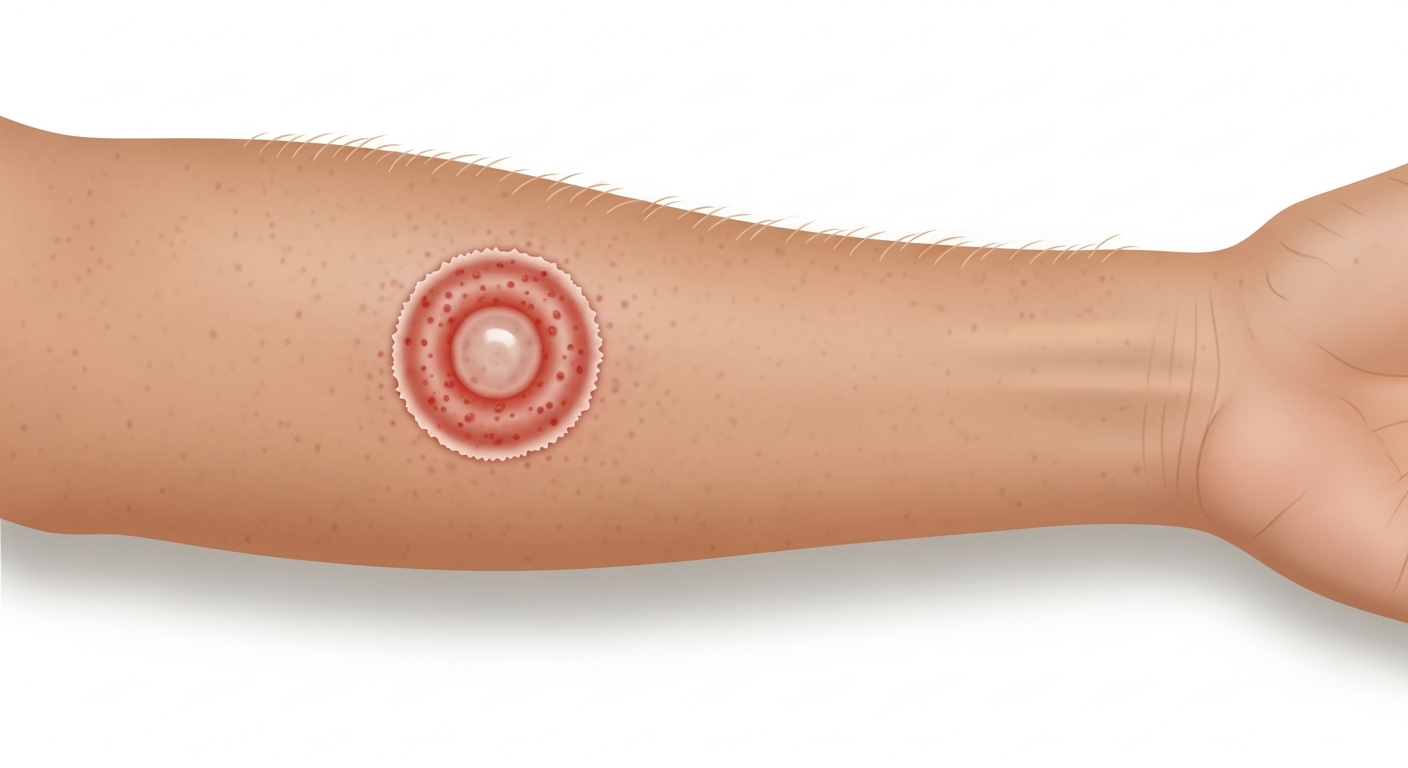
Groin rashes are common, frequently embarrassing, and often mismanaged because they are not examined by a clinician or because the patient self-treats with the wrong medication. The groin is a unique dermatological environment: warm, moist, dark, and subject to constant friction — a perfect environment for fungal and yeast overgrowth. However, not all groin rashes are fungal. The differential diagnosis includes tinea cruris (jock itch — dermatophyte fungal infection), candidal intertrigo (yeast infection), contact dermatitis from fabric, detergent, or personal care products, inverse (flexural) psoriasis, erythrasma (Corynebacterium minutissimum bacterial infection), lichen sclerosus, and STI-related rashes (syphilis, herpes simplex, molluscum contagiosum). Applying topical steroids to an undiagnosed groin rash is particularly risky in this region: steroids dramatically worsen tinea cruris (creating tinea incognito), cause skin thinning in the delicate groin skin within weeks, and may mask STI presentations. A diagnosis should be established before treatment begins — a dermatologist or GP can perform a KOH skin scraping in minutes to confirm or exclude fungal origin.
Quick Medical Summary
Most Common Causes of Groin Rash
Tinea cruris (jock itch) is the most common groin rash in men (less common in women), caused by dermatophyte fungi (Trichophyton rubrum, Trichophyton mentagrophytes) that thrive in warm, moist environments. Key features: a well-defined, scaly, ring-shaped rash beginning in the inguinal crease (groin fold) and spreading centrifugally toward the inner thigh; the leading edge is raised and scaly; the central area may be lighter or hyperpigmented; mild to moderate itch. Crucially, tinea cruris spares the scrotum and penis (distinguishing it from Candida) and rarely affects the vulva. It is strongly associated with concurrent tinea pedis (athlete's foot) — treating only the groin without treating the feet leads to rapid reinfection. Candidal intertrigo (yeast rash) is caused by Candida albicans and preferentially affects skin folds — the inguinal folds, under the scrotum, and perianal area — particularly in individuals who are obese, diabetic, immunocompromised, or on antibiotics. Key features: bright red (beefy-red), raw-looking rash in the depths of the fold, with satellite pustules (small red pustules scattered beyond the main rash border — characteristic of Candida), often macerated (moist, softened skin at the fold base). Unlike tinea cruris, Candida does involve the scrotum and vulvar folds. Contact dermatitis in the groin from latex condoms, personal hygiene products, fabric softener, or synthetic underwear produces a rash in the pattern of allergen contact. Inverse (flexural) psoriasis affects skin folds including the inguinal folds, gluteal cleft, and perianal area, producing smooth, intensely red, well-defined plaques without the typical silvery scale (scale is lost in flexural areas due to moisture and friction). It is very easily confused with candidal or tinea infections.
Symptom Breakdown: Identifying the Cause of Groin Rash
Location is the most discriminating diagnostic feature in groin rash assessment. Inguinal crease only, with clear outer border advancing toward thigh: tinea cruris (jock itch). Entire inguinal fold, scrotal/vulvar skin, and perianal area, with satellite pustules: candidal intertrigo. Inguinal fold and inner thigh, smooth red plaque, no scale or satellite lesions: inverse psoriasis. Inguinal crease in a uniform, well-defined, brick-red patch without itch: erythrasma (Corynebacterium infection — confirmed by coral-red fluorescence under Wood's lamp). Penile shaft or perianal: herpes simplex 2 (grouped blisters on a red base, burning, recurrent in same location), syphilitic chancre (painless ulcer — primary syphilis), condyloma lata (flat, moist warts of secondary syphilis), or molluscum contagiosum (dome-shaped, skin-colored papules with central dimple — sexually transmitted in adults). A systematic diagnostic approach: (1) KOH microscopy to confirm/exclude fungal cause; (2) Wood's lamp — coral-red fluorescence confirms erythrasma; (3) STI screen (VDRL, HIV, herpes PCR swab) when genital lesions suggest STI. Morphology: scale + ring border = tinea; satellite pustules + bright red = Candida; smooth red plaque = inverse psoriasis or erythrasma; grouped blisters = herpes simplex.
When to Worry: Red Flags for Groin Rash
Any painful ulcer in the genital or groin area — particularly a painless (!) ulcer in a sexually active person — may indicate primary syphilis (the chancre is characteristically painless). This requires immediate STI testing (VDRL, dark-field microscopy, or PCR) and treatment with penicillin. Untreated syphilis progresses through stages with serious systemic consequences. Painful, grouped blisters on the genitals or perianal area, with burning and systemic flu symptoms at first episode: primary genital herpes simplex (HSV-2 or HSV-1). Antiviral therapy (aciclovir, valaciclovir) reduces duration of first episode and frequency of recurrences. Recurrent episodes in the same location confirm herpes simplex. A groin rash that fails to respond to topical antifungal treatment after 4 weeks of appropriate therapy, or that recurs immediately after treatment: reconsider the diagnosis — it may be inverse psoriasis (antifungals will not work), contact dermatitis (allergen still present), or tinea incognito from prior steroid application. Significant lymph node swelling (painful buboes) in the groin alongside a genital ulcer or rash: possible lymphogranuloma venereum (LGV) from Chlamydia trachomatis L types, or another STI requiring genital medicine assessment. Rapidly spreading, warm, painful swelling from the groin with fever: inguinal or scrotal cellulitis, Fournier's gangrene (necrotizing fasciitis of the perineum — rare but life-threatening surgical emergency with extreme pain and rapid spread).
Treatment Overview for Groin Rash
Tinea cruris: topical clotrimazole 1% cream, miconazole 2% cream, or terbinafine 1% cream applied twice daily for 4 weeks. Simultaneously treat tinea pedis with the same antifungal — failing to treat feet is the leading cause of groin tinea recurrence. Keep the groin area dry: change out of wet swimwear promptly, use moisture-wicking underwear, apply antifungal powder (clotrimazole or tolnaftate powder) after bathing. Avoid tight synthetic underwear. If tinea cruris is extensive, recurrent, or nail-involved, oral terbinafine 250mg daily for 2 weeks is curative. Candidal intertrigo: topical clotrimazole 1% cream twice daily for 2–4 weeks; keep the affected skin fold dry (a cotton cloth or absorbent wound dressing in the fold helps); treat predisposing factors (control diabetes, review recent antibiotics, address obesity if contributing). For recurrent or severe candidal groin infection, oral fluconazole 150mg single dose or itraconazole course. Inverse psoriasis: mild to moderate topical steroids (hydrocortisone 1% or betamethasone valerate 0.05% — never strong steroids on thin flexural skin); topical calcineurin inhibitors (tacrolimus, pimecrolimus) are steroid-free alternatives appropriate for long-term use in the groin; topical vitamin D analog (calcipotriol) in combination with steroid. Erythrasma: topical erythromycin or clindamycin gel; oral erythromycin 250mg four times daily for 14 days for widespread disease. Contact dermatitis: patch testing to identify allergen; switch to fragrance-free, dye-free hypoallergenic underwear and personal care products; mild topical steroid (the groin skin is sensitive — avoid prolonged steroid use). Genital herpes: oral aciclovir 200mg 5× daily for 5 days or valaciclovir 500mg twice daily for 5 days for episodic treatment; daily valaciclovir 500mg for suppressive therapy to reduce recurrence frequency.
Key Symptoms
- Scaly ring with clear border spreading from inguinal crease to thigh (tinea cruris)
- Bright red, raw rash in folds with satellite pustules (candidal intertrigo)
- Smooth, well-defined red plaque in skin fold without scale (inverse psoriasis)
- Uniform brick-red patch without itch, no satellite lesions (erythrasma)
- Painless genital ulcer in sexually active person (primary syphilis — urgent)
- Grouped blisters with burning, recurrent in same location (genital herpes)
- Dome-shaped papules with central dimple on genitals (molluscum contagiosum)
- Rapidly spreading painful swelling with fever (Fournier's gangrene — emergency)
Treatment Options
- Tinea cruris: topical clotrimazole 4 weeks + treat feet simultaneously; moisture-wicking underwear
- Candidal intertrigo: topical clotrimazole; keep dry; fluconazole oral for recurrent cases
- Inverse psoriasis: hydrocortisone 1%; tacrolimus 0.1%; avoid potent steroids in groin
- Erythrasma: topical erythromycin; oral erythromycin for widespread
- Syphilis: penicillin G (benzathine penicillin 2.4 MU IM) — same-day STI clinic
- Genital herpes: aciclovir or valaciclovir for episodic or suppressive therapy
- Contact dermatitis: hypoallergenic underwear; fragrance-free products; mild steroid
- Do not apply steroid to any groin rash without confirmed diagnosis
| Condition | Involves Scrotum/Vulva? | Satellite Pustules? | Scale? | Wood's Lamp Finding |
|---|---|---|---|---|
| Tinea Cruris | No (spares genitals) | No | Yes — advancing scaly border | Negative (dull green) |
| Candidal Intertrigo | Yes — folds + genitals | Yes — characteristic | Minimal — moist/macerated | Negative |
| Inverse Psoriasis | May involve perianal | No | No — smooth in folds | Negative |
| Erythrasma | No — inguinal crease | No | No — smooth, brick-red | Coral-red fluorescence |
| Primary Syphilis | Yes — on genitals | No | No — ulcer, not rash | Negative |
| Genital Herpes | Yes — on genitals | No | No — grouped vesicles | Negative |
Diagnose and Treat Your Rash
When to See a Doctor Immediately
- Difficulty breathing or swallowing
- Swelling of the face, lips, or tongue
- High fever or severe chills
- Rapid spreading over a large body surface area
- Extreme pain, dizziness, or confusion
Frequently Asked Questions
Disclaimer
The medical information provided in this article is for educational purposes only and should not replace professional medical advice, diagnosis, or treatment. Always consult with a board-certified dermatologist or primary care physician regarding any severe or persistent skin conditions.